
Collection · 115 ideas
Gardens with good bones.
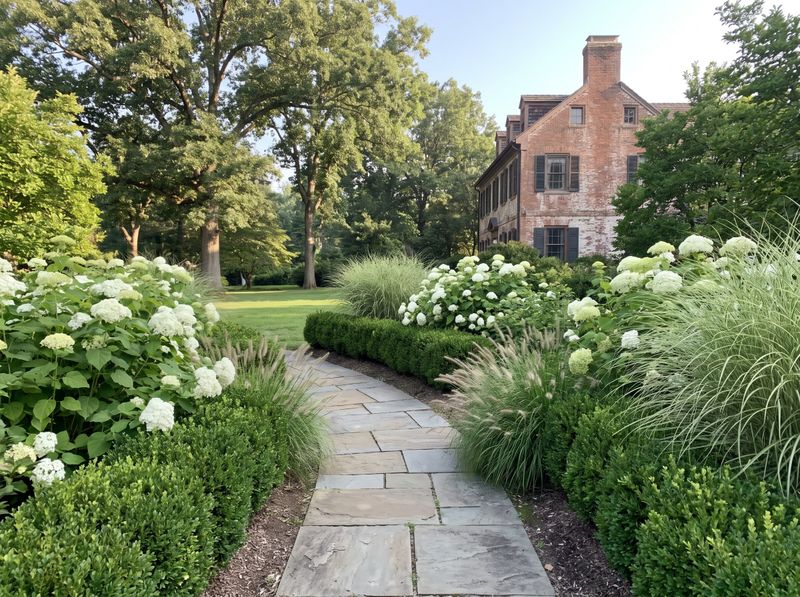
Landscaping is the layer that makes everything else look intentional. This collection leans into regionally smart design — native garden beds, limestone and gravel textures, drought-tolerant front yards and wildflower borders that soften hard edges.


Collections within landscaping
Narrow it down
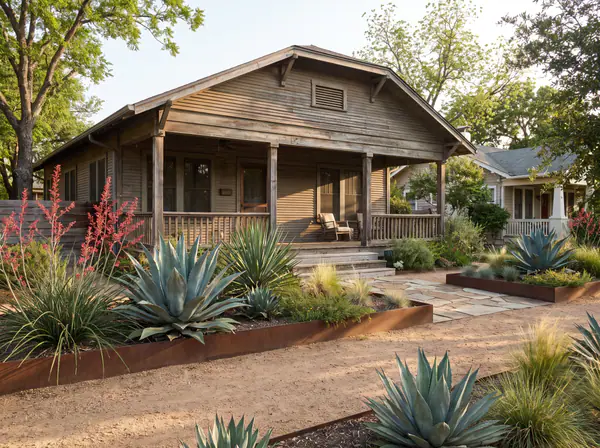
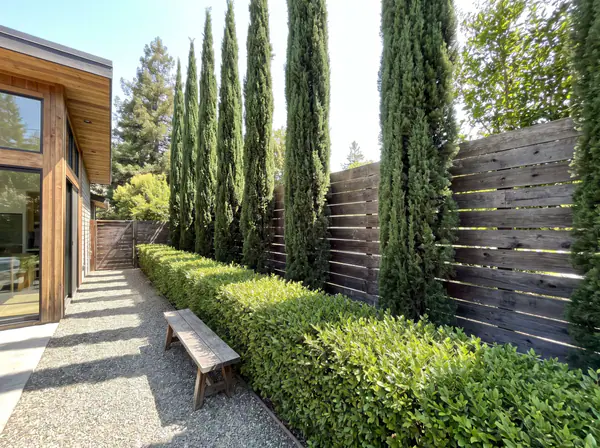
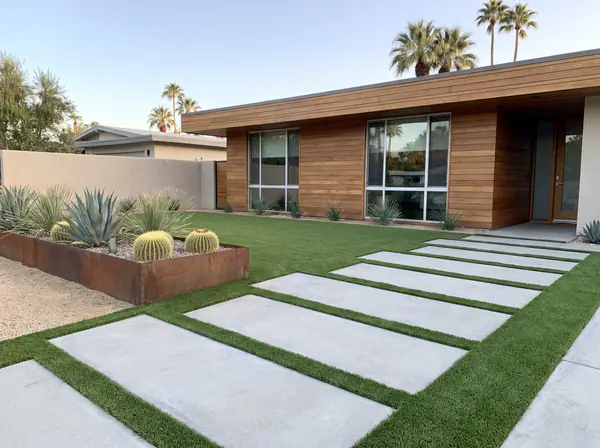 Modern Landscaping Ideas
8 ideas
Modern Landscaping Ideas
8 ideas
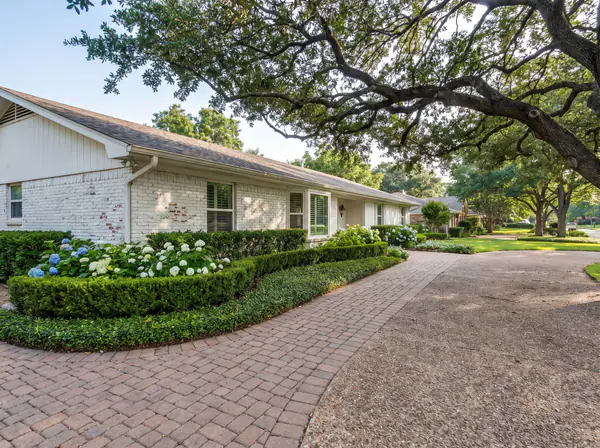
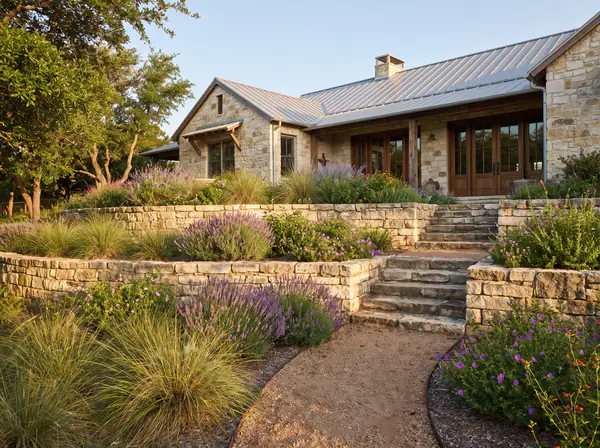
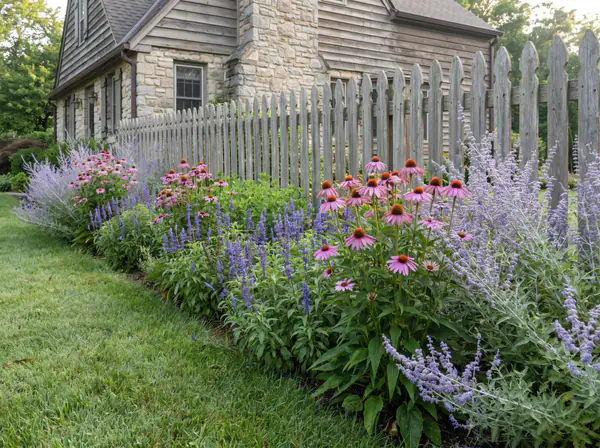 Classic Landscaping Ideas
14 ideas
Classic Landscaping Ideas
14 ideas
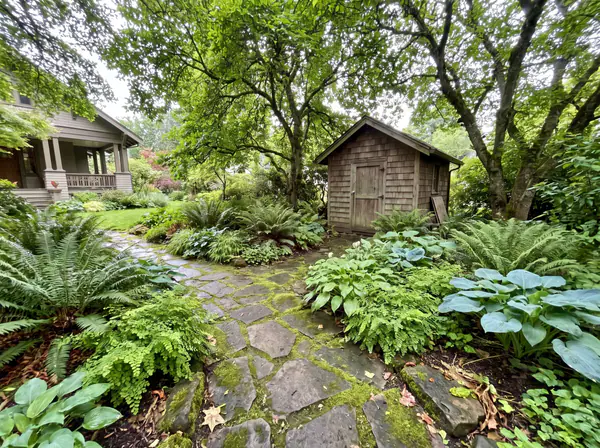
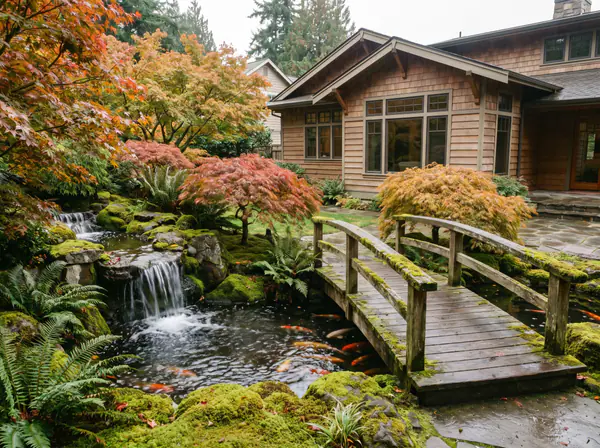
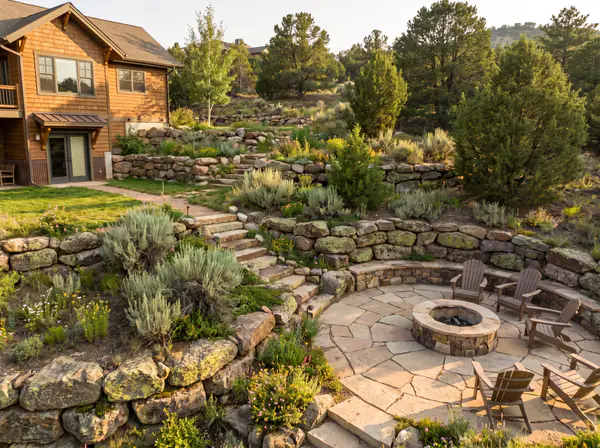 Rustic Landscaping Ideas
11 ideas
Rustic Landscaping Ideas
11 ideas
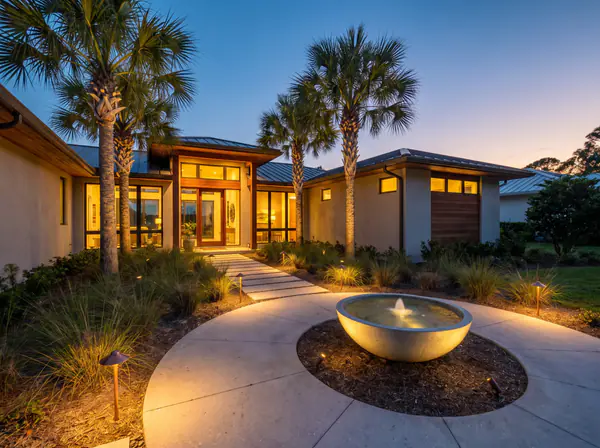
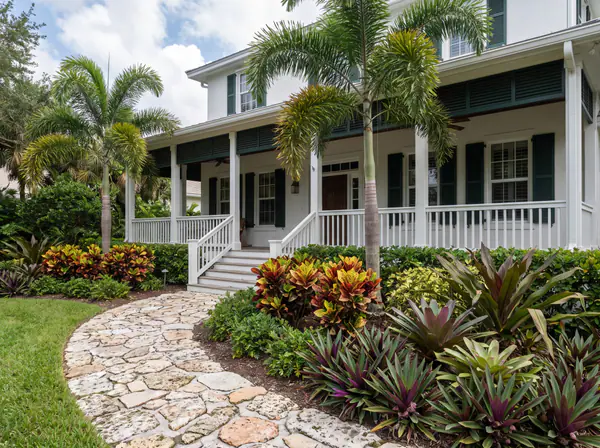
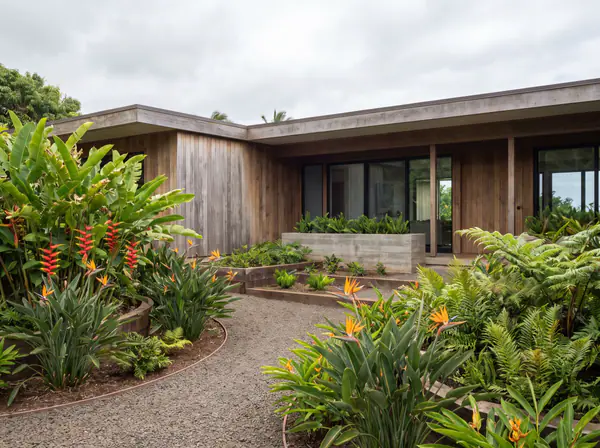 Tropical Landscaping Ideas
7 ideas
Tropical Landscaping Ideas
7 ideas
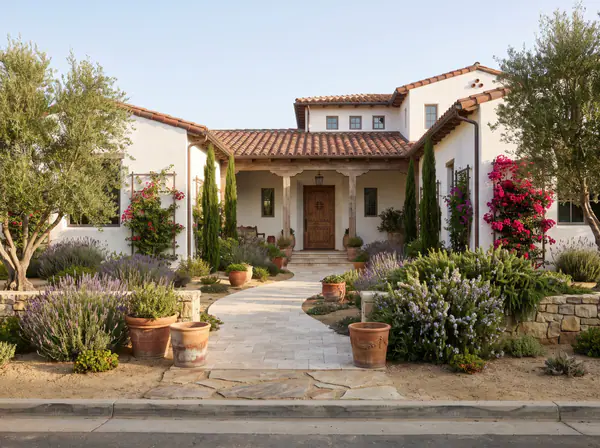
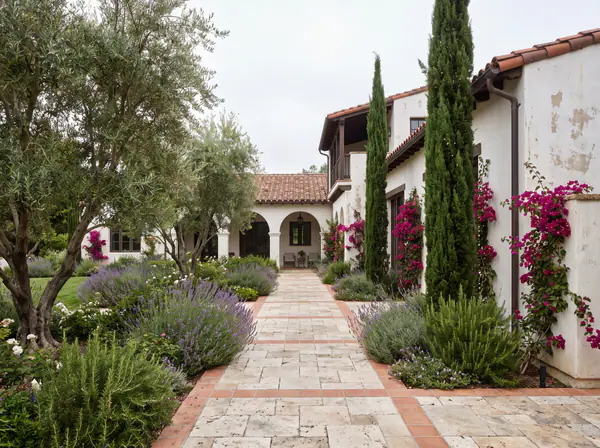
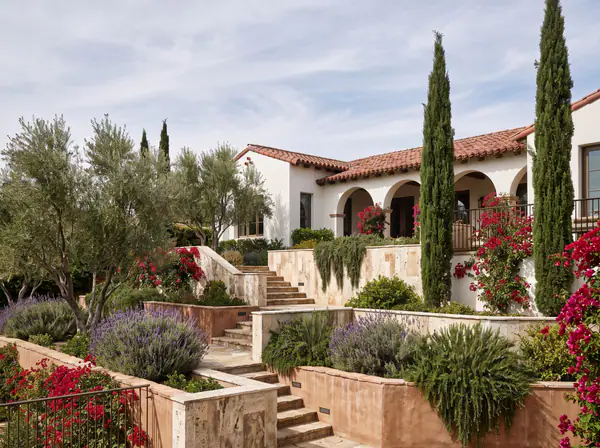 Mediterranean Landscaping Ideas
6 ideas
Mediterranean Landscaping Ideas
6 ideas
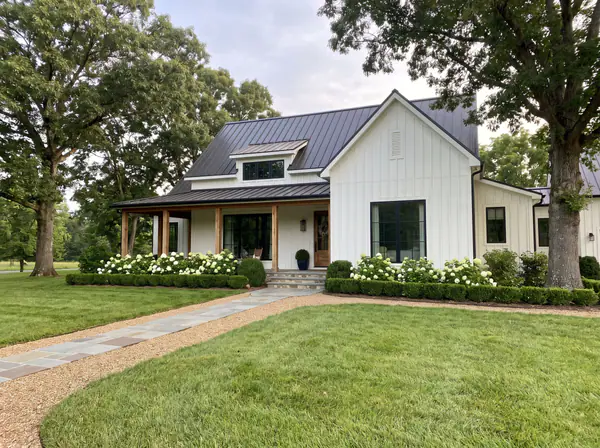
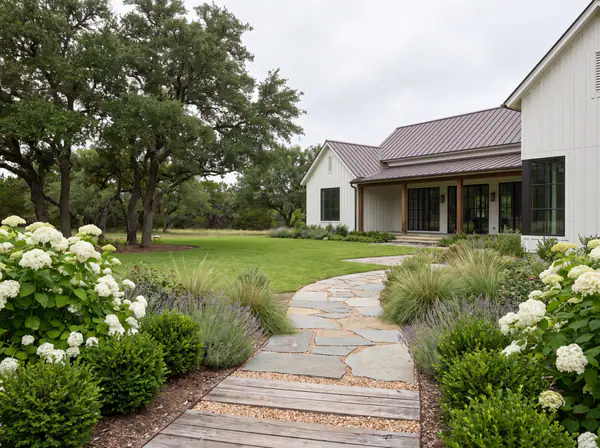
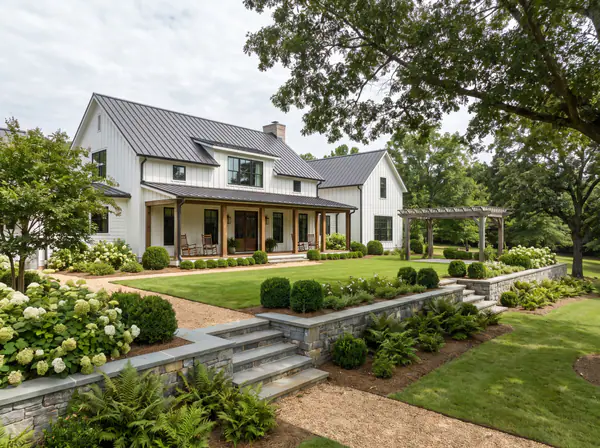 Modern Farmhouse Landscaping Ideas
6 ideas
Modern Farmhouse Landscaping Ideas
6 ideas
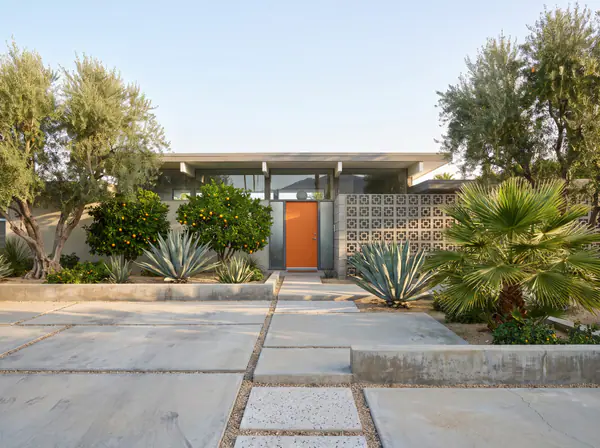
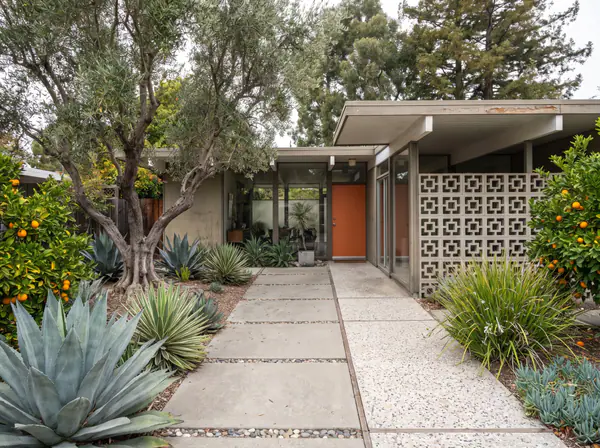
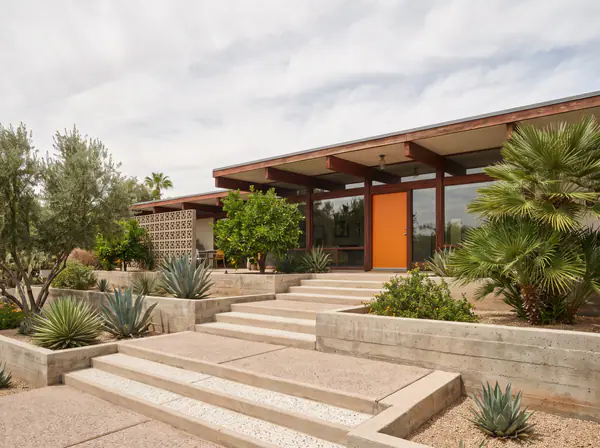 Mid-Century Modern Landscaping Ideas
6 ideas
Mid-Century Modern Landscaping Ideas
6 ideas
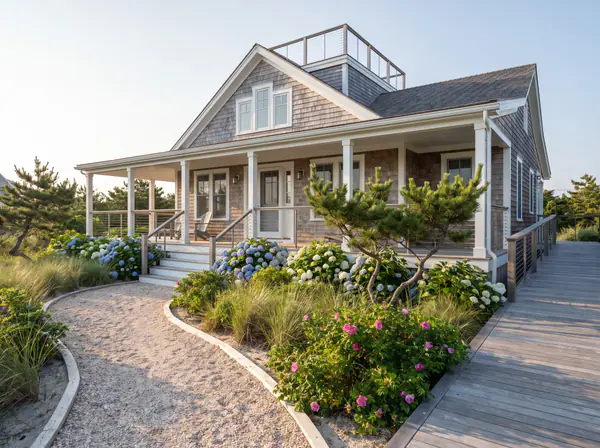
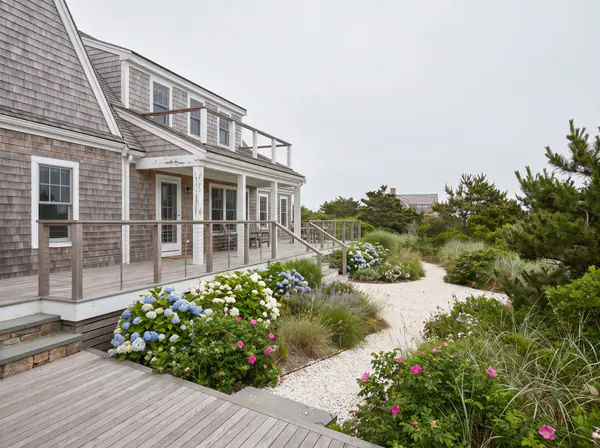
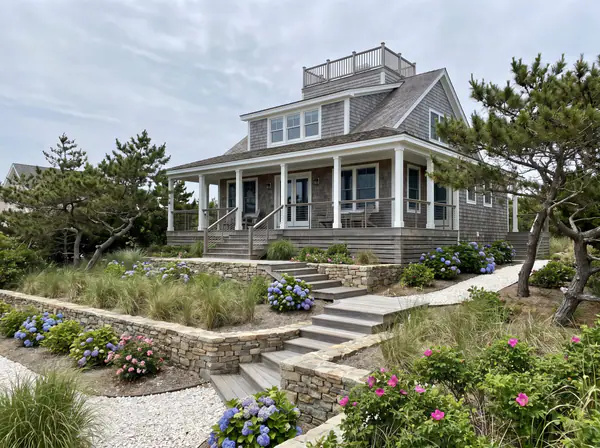 Coastal Landscaping Ideas
6 ideas
Coastal Landscaping Ideas
6 ideas
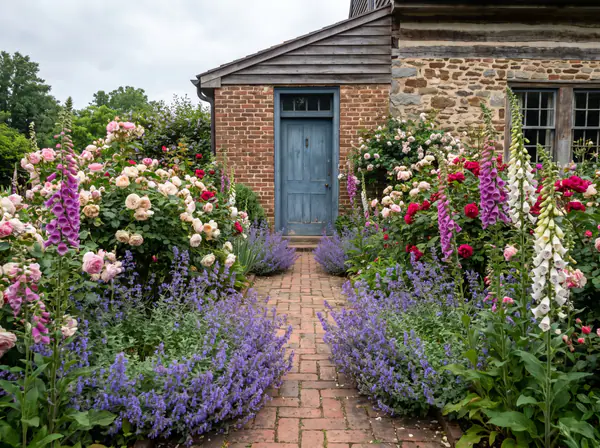
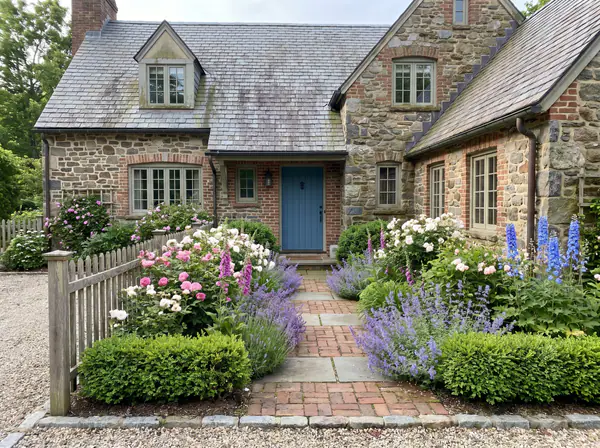
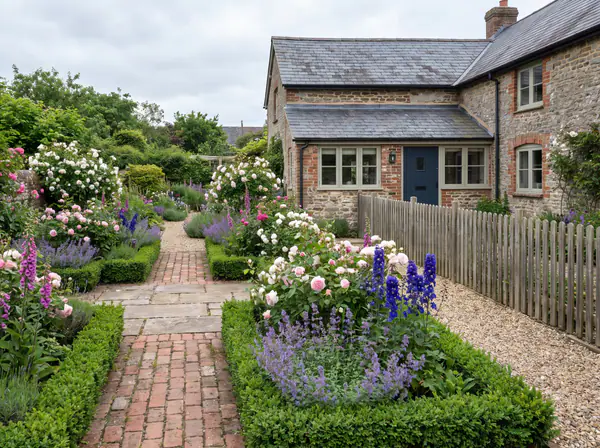 English Cottage Landscaping Ideas
7 ideas
English Cottage Landscaping Ideas
7 ideas
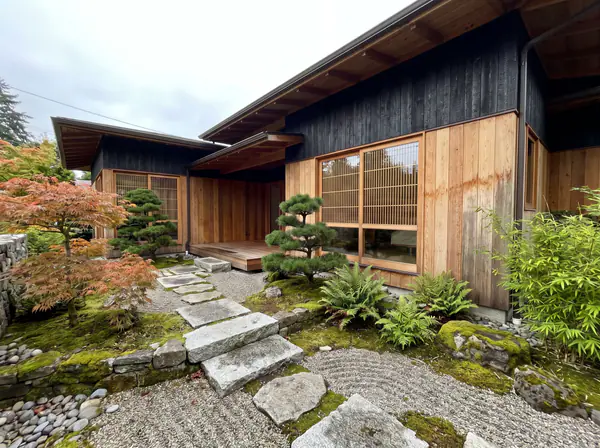
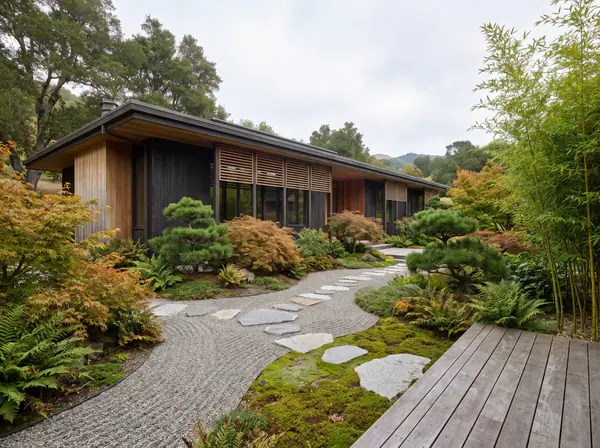
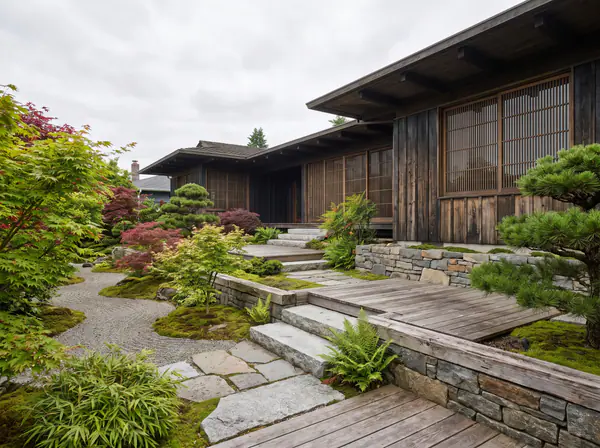 Japanese & Zen Landscaping Ideas
6 ideas
Japanese & Zen Landscaping Ideas
6 ideas
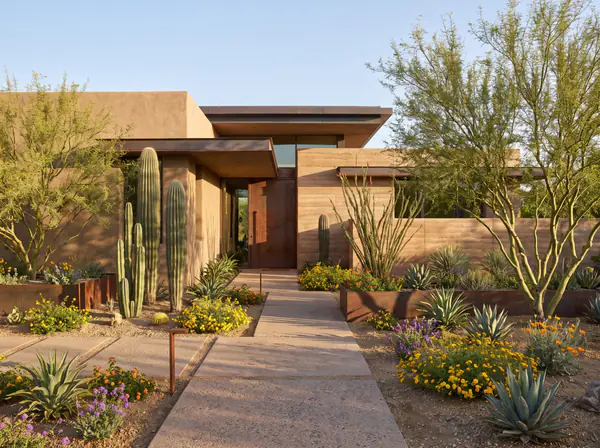
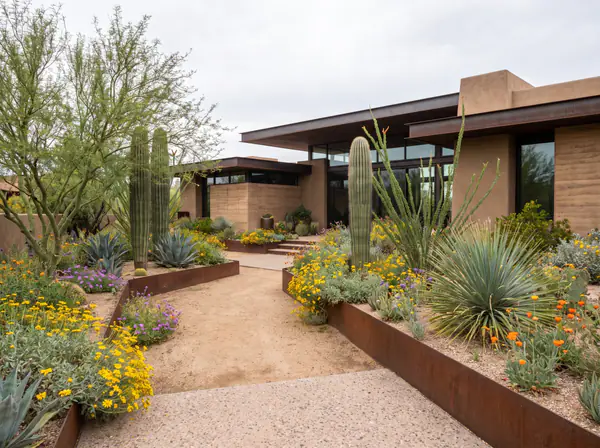
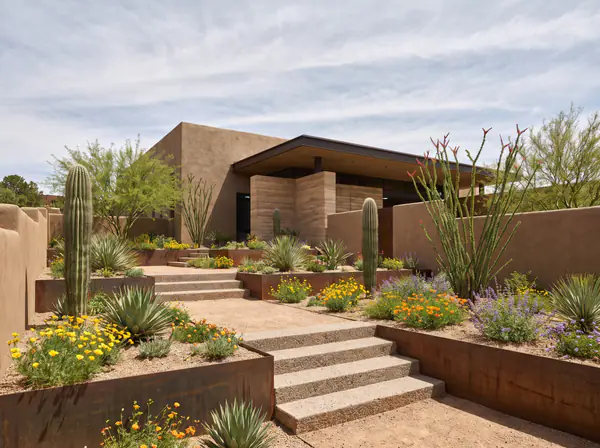 Desert & Southwest Landscaping Ideas
7 ideas
Desert & Southwest Landscaping Ideas
7 ideas
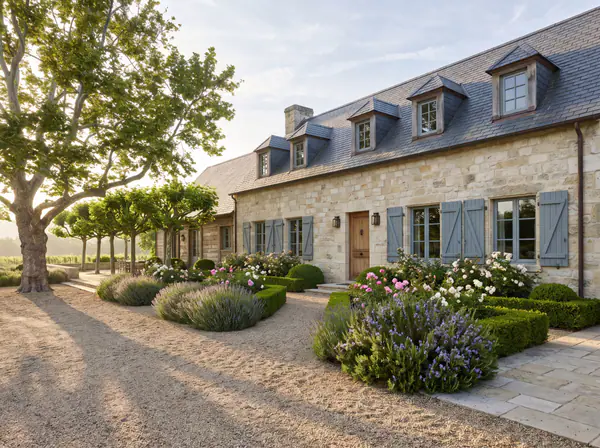
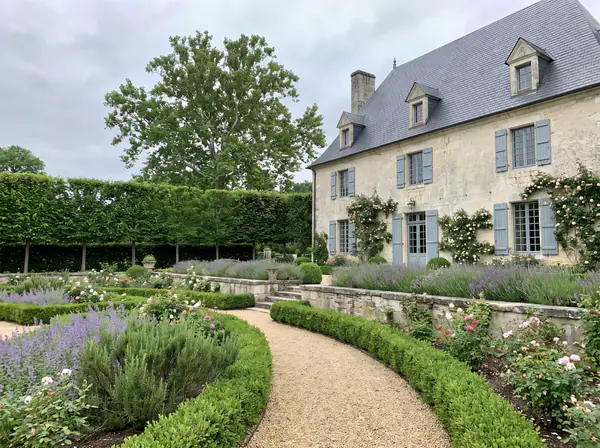
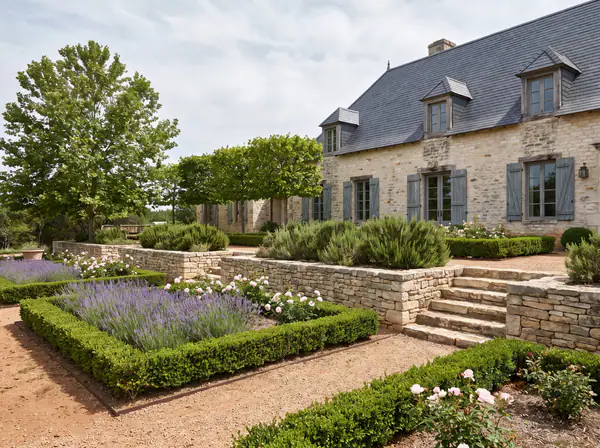 French Country Landscaping Ideas
6 ideas
French Country Landscaping Ideas
6 ideas
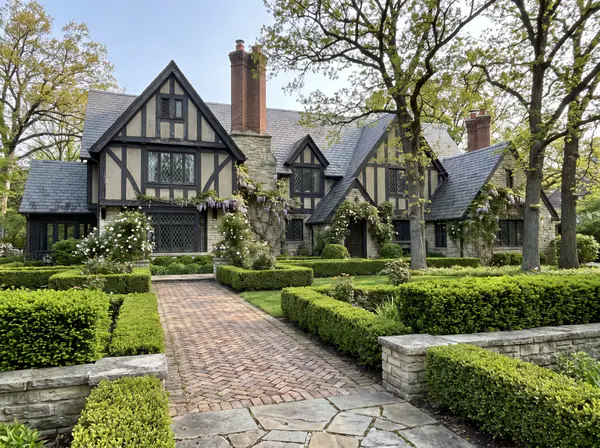
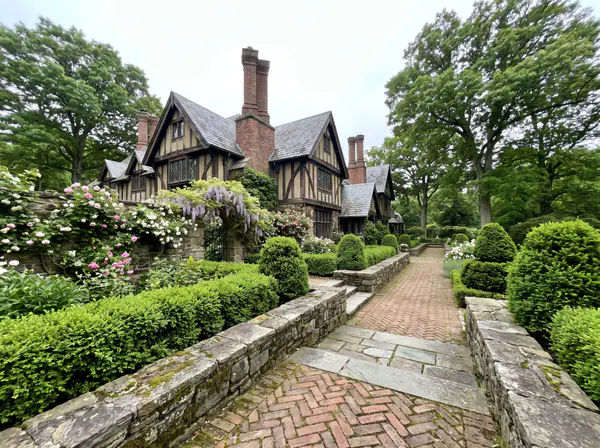
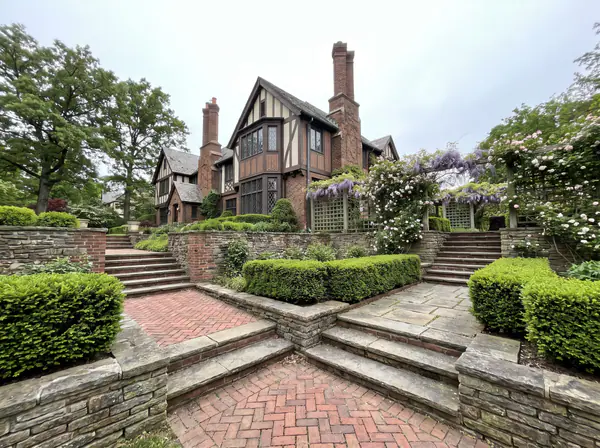 Tudor Landscaping Ideas
6 ideas
Tudor Landscaping Ideas
6 ideas
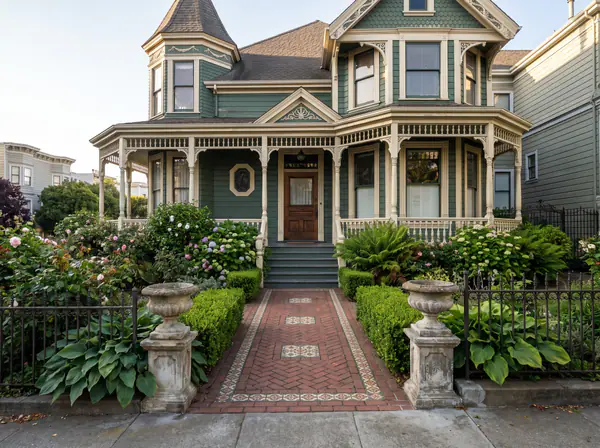
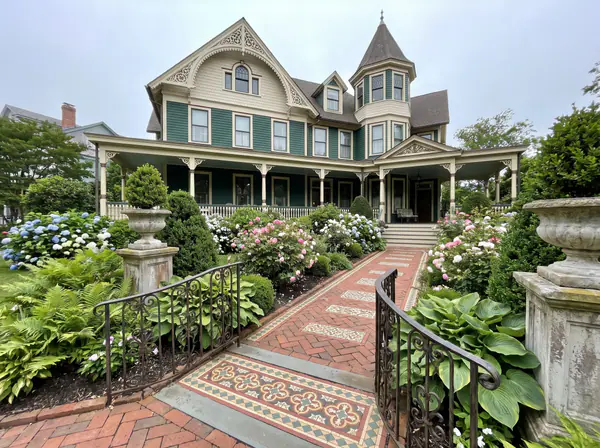
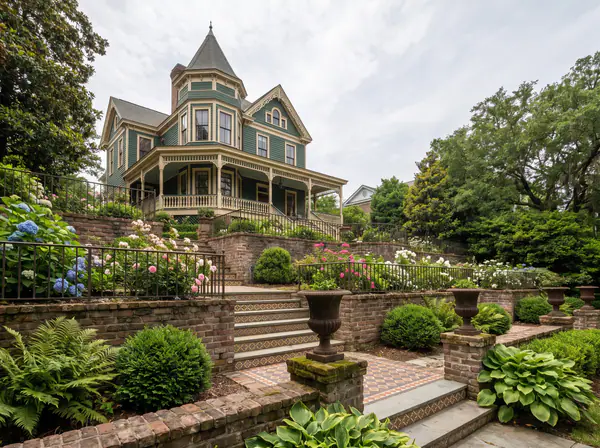 Victorian Landscaping Ideas
6 ideas
Victorian Landscaping Ideas
6 ideas
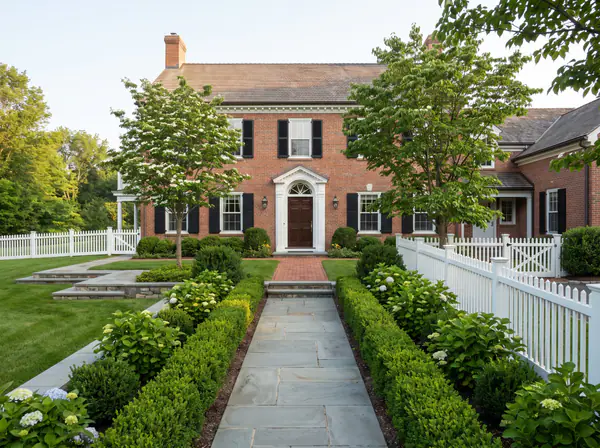
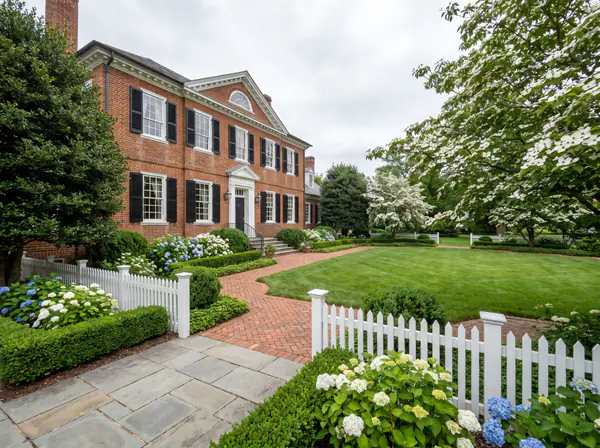
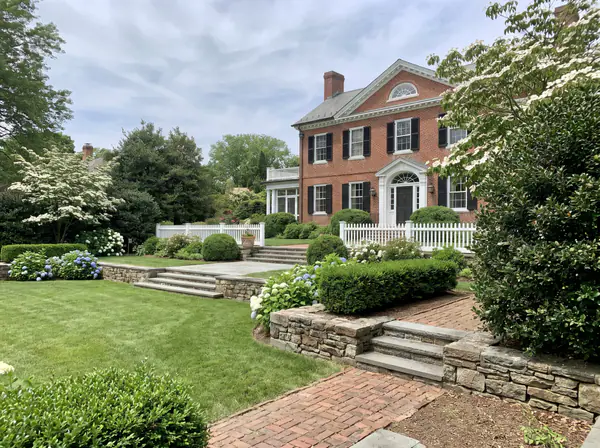 Colonial Landscaping Ideas
6 ideas
Colonial Landscaping Ideas
6 ideas
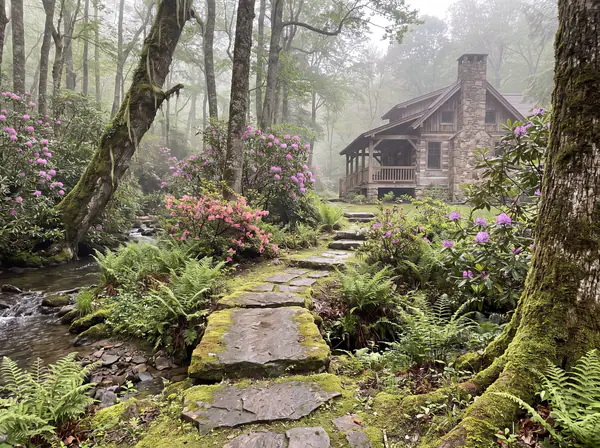
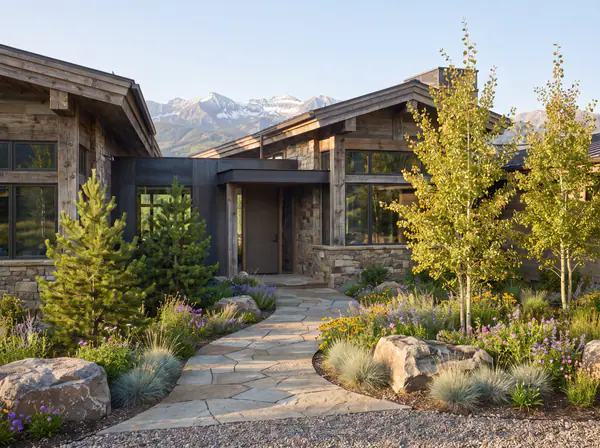
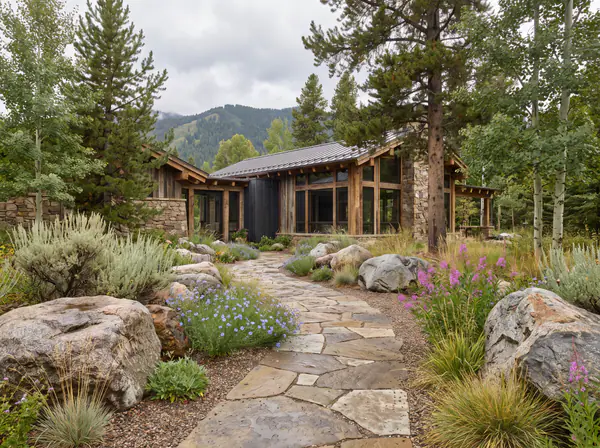 Mountain & Cabin Landscaping Ideas
7 ideas
Mountain & Cabin Landscaping Ideas
7 ideas
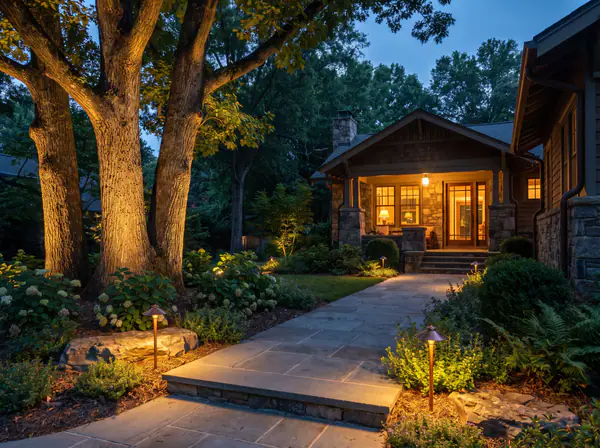 Front Yard Landscaping Ideas
32 ideas
Drought-Tolerant Landscaping Ideas
65 ideas
Garden Path & Walkway Ideas
93 ideas
Front Yard Landscaping Ideas
32 ideas
Drought-Tolerant Landscaping Ideas
65 ideas
Garden Path & Walkway Ideas
93 ideas
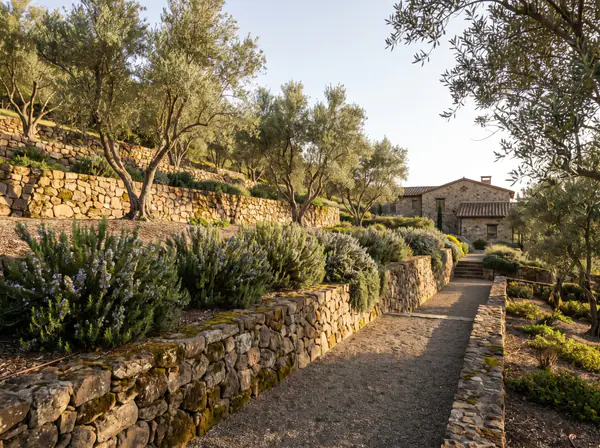 Retaining Wall & Terrace Ideas
25 ideas
Garden Bed & Border Ideas
54 ideas
Retaining Wall & Terrace Ideas
25 ideas
Garden Bed & Border Ideas
54 ideas
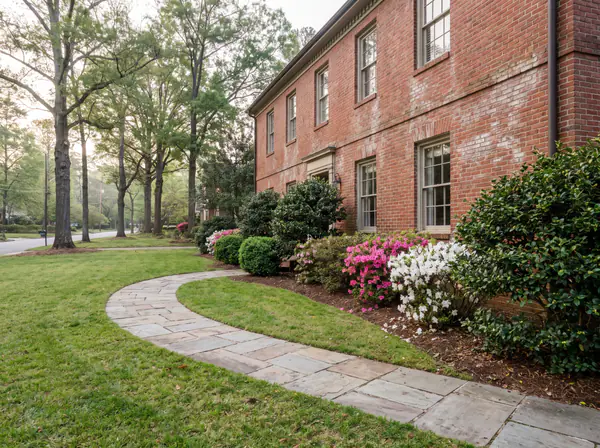 Privacy Landscaping Ideas
40 ideas
Privacy Landscaping Ideas
40 ideas
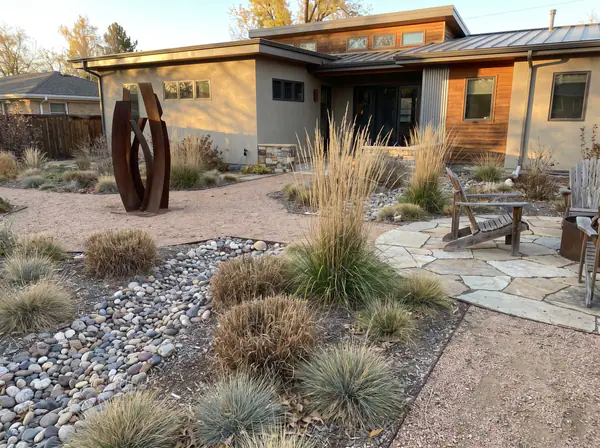
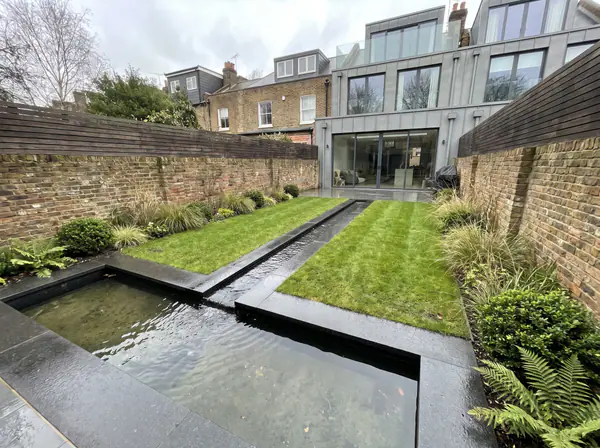 Garden Water Feature Ideas
22 ideas
Garden Water Feature Ideas
22 ideas
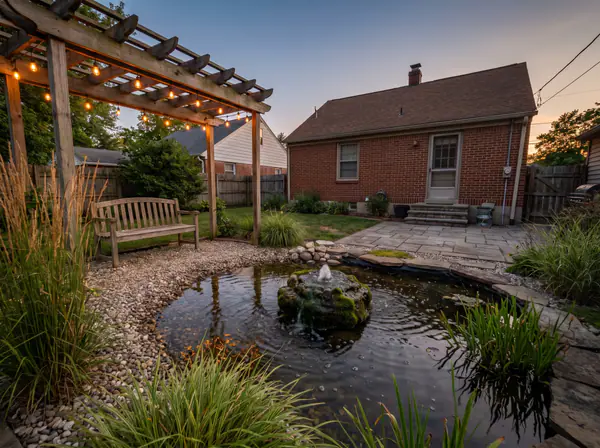 Landscape Lighting Ideas
22 ideas
Landscape Lighting Ideas
22 ideas
About garden design
What makes a great garden.
Landscaping is the layer that makes everything else look intentional. This collection leans into regionally smart design — native garden beds, limestone and gravel textures, drought-tolerant front yards and wildflower borders that soften hard edges.
Good gardens are structured in layers: trees for canopy, shrubs for the middle ground, perennials and groundcover at your feet. Save the plant palettes and hardscape pairings that suit your climate, not just your taste.
What to look for as you browse
- Three layers: canopy, shrubs, groundcover
- How hardscape and planting share the edges
- Plants suited to the climate, not just the photo
Good to know
Common questions
What is xeriscaping?
Xeriscaping designs the landscape around low water use — native and drought-tolerant plants, efficient drip irrigation and generous mulch. Done well it looks lush, not gravel-lot bare.
When is the best time to plant?
Fall is ideal in most climates: roots establish through the cool season so plants hit spring already settled. Spring works too if you can commit to summer watering.
How do I reduce lawn without losing usable space?
Keep one right-sized lawn panel where you actually walk and play, then convert the edges to planting beds, gravel paths and seating areas. The yard reads bigger, not smaller.
More spaces


